

Reference : 8094287
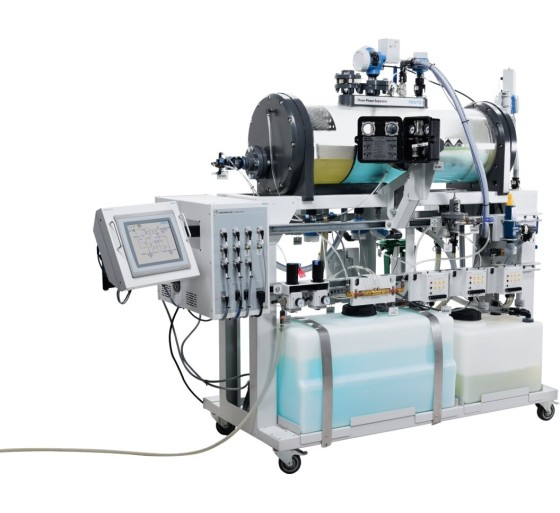
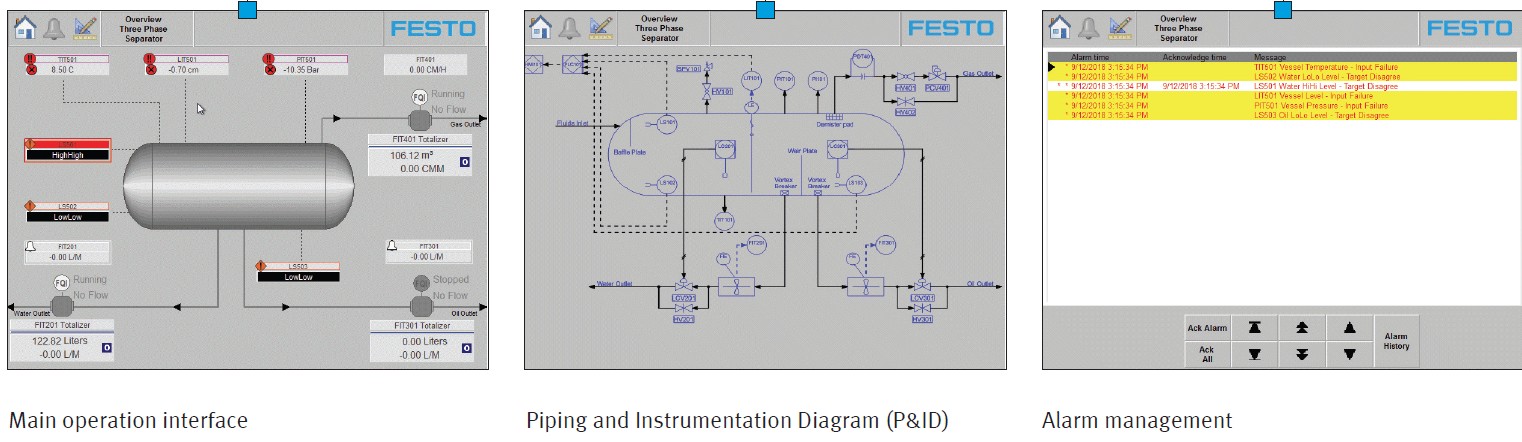
The Series 3535 Three-Phase Separation System is a comprehensive training solution designed for hands-on learning of industrial separation processes. Compact, mobile, and built with real industrial-grade components, it provides an immersive experience aligned with practices used in the energy and process industries.
1. Basic Control System
2. Instrumentation Add-On
Crude oil is a complex mixture of oil, water, and hydrocarbon gas that must be separated before it can be processed in a refinery. Accurate measurement of the gas-to-oil ratio is essential, as it directly impacts production efficiency and operational performance. These critical processes are performed using a separator, most commonly a horizontal three-phase separator. Efficient operation and troubleshooting require properly trained personnel.
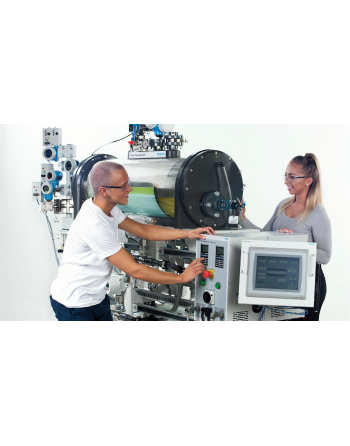
The Three-Phase Separator Training System is designed to replicate real-world production conditions in a safe classroom environment. It can operate either as a production separator with basic pneumatic level control or as an advanced system equipped with instrumentation for crude oil characterization.
Part of a modular training platform, this system combines high-quality industrial components with comprehensive educational content, enabling progressive learning in process control and instrumentation.
The system provides a clear demonstration of the fundamental principles of oil separation, including:
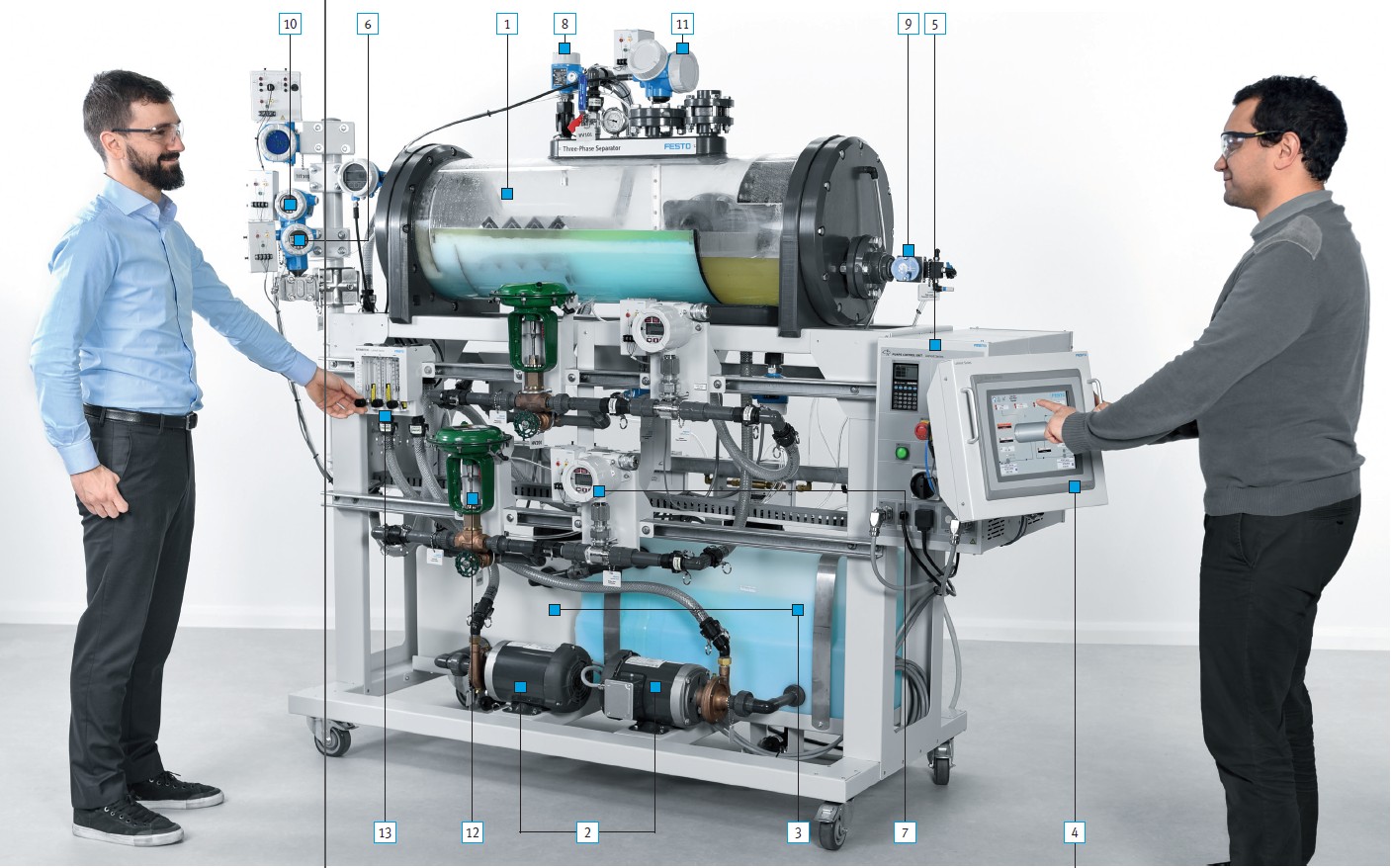
The separator vessel is designed with standard industrial zones:
An inline mixer generates a realistic emulsion of water, air, and oil to simulate crude oil. The separation process is immediately visible, allowing learners to observe the full cycle in real time.
A large transparent acrylic vessel and clear PVC piping enable direct visualization of internal components, including:
This visual accessibility enhances understanding of both the separation process and the function of each component.
The system integrates smart instrumentation for both measurement and process optimization, helping reduce operational costs while improving safety and performance.
Learners gain hands-on experience with industrial-grade measurement and control technologies, including:
The system also supports fault insertion, enabling realistic troubleshooting exercises and reinforcing diagnostic skills.
Approximate overall dimensions (L x W x H):
260 x 125 x 199 cm

Reference : 8232218
Process Equipment
Control Components
Instrumentation (Endress+Hauser)
Gas (Air) Control

Reference : 8208223
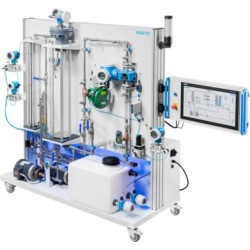
FluidLab-PA Process is designed to provide an accessible introduction to process engineering using either real or simulated learning systems.
The software supports commissioning, operation, and monitoring of EduKit PA as well as selected workstations from the MPS PA and EDS Water Management systems. It promotes a solid understanding of process control engineering principles through structured and application-oriented learning.
References :
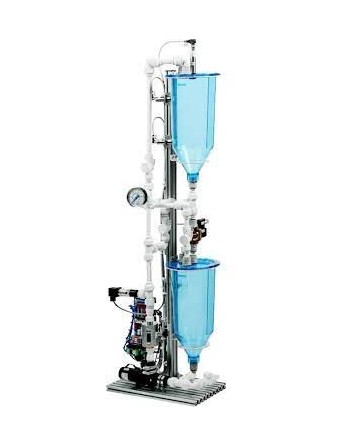
The EduKit-PA Process Automation Kit is a comprehensive educational solution designed to provide structured, hands-on training in process automation, mechatronics, and Industry 4.0 technologies. Its modular architecture supports progressive learning — from fundamental principles to fully software-controlled automation systems.


Référence : CP-120
The CP-120 is a complete laboratory and pilot-scale unit designed for batch conversion of starch-based raw materials into ethanol. It integrates mashing, fermentation, and distillation processes with advanced automation control.
Integrated Process
Control and Automation
Reference : SM-400
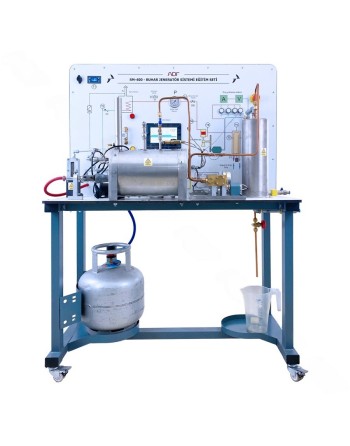
The SM-400 is a complete educational system designed to demonstrate the operation of a steam power plant. It showcases the conversion of thermal energy into mechanical and electrical energy within a realistic and fully instrumented setup.
In a steam power plant, thermodynamic energy from steam pressure is converted into mechanical energy and then into electricity. The SM-400 accurately reproduces this process using real industrial components adapted for educational use.
The system includes a gas-fired boiler for steam generation, a single-cylinder piston steam engine, an electrical generator, a water-cooled condenser, a feed water tank, and a feed water pump. The generated electrical energy is used to power light bulbs, representing real consumers.
Exhaust steam is condensed in a water-cooled condenser, ensuring a closed-loop cycle. Sensors allow real-time monitoring of temperature, pressure, flow rate, voltage, and current.
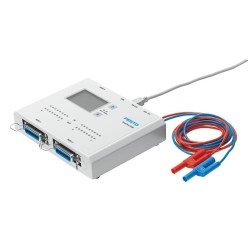
Reference : 548687
Up to four EasyPort USB modules can be connected simultaneously via a USB hub or four separate USB ports on a PC. Each module must be assigned a unique address.
For signal exchange between EasyPort USB and PC software, the EzOPC OPC server or the EasyPort USB ActiveX control component is available.
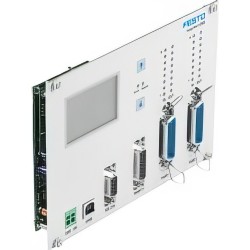
Reference : 8021637
Up to four EasyPort USB modules can be connected simultaneously via a USB hub or four separate USB ports on a PC. Each module must be assigned a unique address.
For signal exchange between EasyPort USB and PC software, the EzOPC OPC server or the EasyPort USB ActiveX control component is available.
Reference : 8094287
The Series 3535 Three-Phase Separation System is a comprehensive training solution designed for hands-on learning of industrial separation processes. Compact, mobile, and built with real industrial-grade components, it provides an immersive experience aligned with practices used in the energy and process industries.
1. Basic Control System
2. Instrumentation Add-On